The Army Plans to Blow Up Tons of Toxic Explosives in Iowa. It Rejected a Safer Option.
· NY Times

· NY Times
· Times of India
· Time
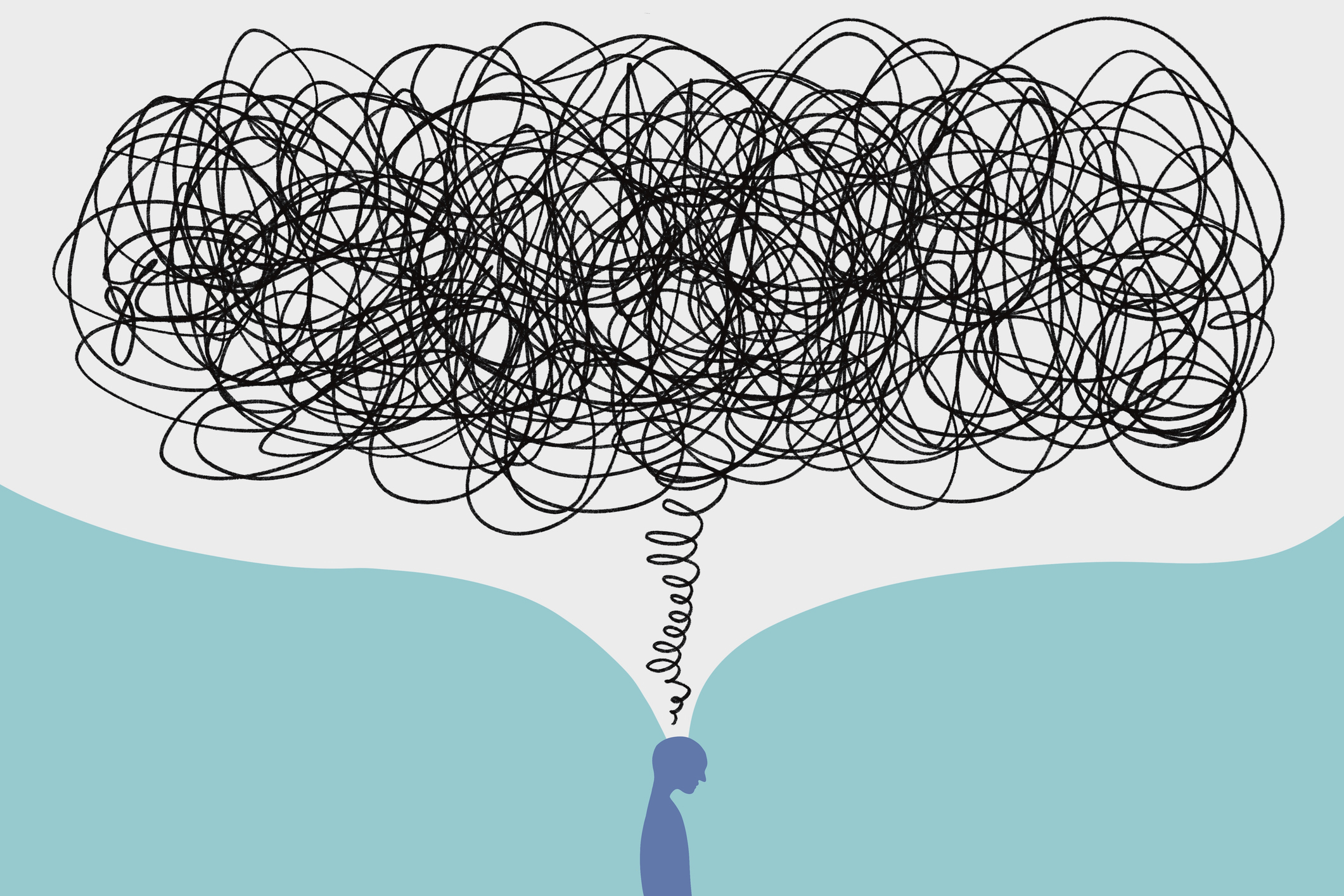
Hands down, anxiety is the most common mental health issue affecting Americans today. Over 19% of adults in the U.S. meet criteria for an anxiety disorder in any given year. Many often don’t recognize these difficulties, or mistake them for signs of a physical health condition.
Visit asg-reflektory.pl for more information.
As a psychologist, I can tell you that worrying is a normal part of life. Occasionally, we all get a little nervous about something. We can fret that we blew a job interview or made a poor impression on a first date. We may feel on edge thinking about a big purchase we need to make and concerned about how we are going to pay for it. Many of us have concerns about money and finances, including how we are going to pay off a mortgage or a big debt. We may experience uneasiness about our relationships, including conflict with a partner or tension with an aging parent. We may be nervous about upcoming deadlines at work or national elections.
Other times, our anxiety may be more free-floating, overly intense concerns latching on to any number of things. It’s hard to know how to safely stop the worry cycle, so we often, as humans, over-prepare, try to control a situation, or avoid it altogether.
But when anxiety persists and gets worse over time, when it impairs our ability to function on the job or in the classroom, or our ability to connect with others, anxiety becomes problematic and potentially diagnosable.
“Anxiety makes people’s lives smaller as they prune all the bits of their lives that lead to anxiety,” says Debra Kaysen, a psychologist and professor at Stanford University. “That works short-term, but long-term steals all the parts of life that give joy.”
The great news is that there are effective treatments. Several free, reliable screens can help people do a self-assessment regarding whether they may meet criteria for an anxiety disorder. Though there are a range of anxiety disorders—including generalized anxiety, panic, phobias, and obsessive-compulsive disorder—most have similar underlying causes.
Cognitive-behavioral therapy (CBT) can help to identify and manage the factors that contribute to anxiety. By learning to change unhelpful thought patterns, we can reduce the frequency and intensity of anxious symptoms. We can also learn techniques to regulate our anxiety and help us engage in effective problem-solving.
That said, it isn’t always easy to get the help we need. There are a host of barriers, from financial, transportation, and scheduling to stigma, poor access, and limited availability.
Anne Marie Albano, a psychologist and professor at Columbia University, has spent decades conducting research on and treating anxiety in children, adolescents, and young adults. Along with her colleagues, Albano developed several effective interventions, including Coaching Approach Behavior and Leading by Modeling (CALM) for families with young children to help them master circumstances that trigger intense discomfort, as well as the Launching Emerging Adults Program (LEAP), which centers on assisting individuals as they work through anxiety during the transition to adulthood.
Albano recommends practicing breathing techniques to manage anxiety. “Close your eyes and focus on a quiet or pleasant scene in your mind. Breathe in slowly while counting to three, then pause a second, and then breathe out to the count of three. Breathing slowly and deeply, do this for ten repetitions,” she says.
The benefit of this technique is that it’s endlessly versatile. “It’s a quick strategy that once learned, you can use with your eyes open and in any situation. Parents can even do this with their children to teach them belly breathing,” Albano explains. “Adults can use this before meetings or other emotionally challenging situations to regulate themselves and manage not just anxiety but other strong emotions.”
In addition to breathing exercises, physical activity is one of the best ways to lessen anxiety for people of all ages. “Getting outside each day, rain or shine, and being physically active and social will build your natural resilience and coping skills. Walking, shooting hoops, yoga, swimming, and especially doing these things with other people will strengthen your physical capacity to manage stress and provide you with social networking and support from others,” Albano lists. Even just 10 or 15 minutes a day can help us feel more calm and capable.
Even if, for whatever reason, someone is unable to access formal mental health services, there are things we can do to help ourselves with intense apprehension or looming thoughts of threat, trouble, or catastrophe. In my view, an excellent resource is the Association for Behavioral and Cognitive Therapies, an interdisciplinary organization of professionals dedicated to the study of behavioral health. The website has research-based information in English and Spanish about anxiety disorders, treatments, and a therapist directory.
Anxiety is common and treatable. The National Institute of Mental Health also offers a wealth of information on anxiety, including free digital brochures and fact sheets, updates from the latest research, and how to find help and support.
Help is out there, and if you have persistent anxiety, rest assured you are not alone.