Test your general knowledge with the Good Weekend quiz
· The Age
· The Age
· Variety

· Fox News
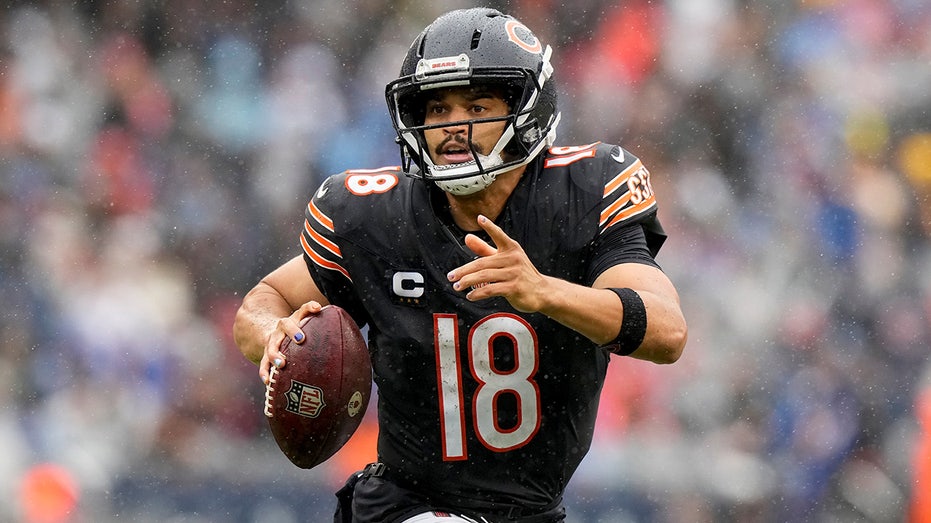
Chicago Bears QB Caleb Williams returned to full practice participation Thursday for the first time in nearly a month, but his news conference quickly turned into an icy standoff over his hamstring grade.
Williams refused to reveal the medical grade of what he called a "pretty serious" hamstring tear, shutting down reporters pressing for clarity on why he kept the diagnosis private.
Visit esporist.com for more information.
"Because it's not deserving," Williams informed the media. The testy exchange capped a five-minute opening statement in which Williams torched national reporting for trying to box his injury into a tidy Grade 2 timeline.
"There's nothing that has come out that has been right about what it is and what it has been," he said.
THE CRAIG CARTON SHOW–UNFILTERED, UNAPOLOGETIC AND UNMISSABLE. DOWNLOAD HIS DAILY PODCAST NOW!
Williams originally sustained the injury late in Chicago’s Week 2 loss to Minnesota, pulling up lame on a fourth-quarter scramble toward the end zone before being carted off in visible tears.
"I felt a pop," Williams said. "That's why I looked back. I looked back just like everybody else does when you feel a pop. Think somebody grabbed you and nobody grabbed me."
Williams didn't shy away from the emotional exit Thursday, defending the raw reaction as proof of just how much he cares about his locker room. "I'm always going to show emotion, especially when I can't be out there with the guys," Williams said. "Everybody making jokes and all of that, but that doesn't bother me."
Williams underwent five to six hours of daily rehab and reported reaching top sprint speeds in recent workouts.
While he logged consecutive full practice designations this week, his status for Sunday’s game against the Atlanta Falcons remains undecided pending medical clearance.
"Before you start asking, do not know if I'm playing yet," Williams said.
"If I'm good to go, I'm good to go. If I'm not and we're just not ready, then we got to wait."
Send us your thoughts: [email protected] / Follow along on X: @alejandroaveela