Man in critical condition after being mauled by two dogs in Brisbane park
· The Age
· The Age
· Prothom Alo
দেশের সব শিশু টিকা পাচ্ছে না। প্রয়োজনীয় সব কয়টি টিকা পাওয়া শিশুর হার কমে যাচ্ছে। একটি স্বাধীন মূল্যায়নে বলা হচ্ছে, বাংলাদেশের টিকাদান পদ্ধতির অবনতি ঘটেছে। দ্রুত ব্যবস্থা না নিলে হামের মতো অন্য সংক্রামক রোগের প্রাদুর্ভাব দেখা দেওয়ার ঝুঁকি আছে।
দেশি ও আন্তর্জাতিক বিশেষজ্ঞদের নিয়ে গঠিত একটি যৌথ স্বাধীন মূল্যায়ন দল বাংলাদেশের সম্প্রসারিত টিকাদান কর্মসূচি ও টিকায় প্রতিরোধযোগ্য রোগের নজরদারি ব্যবস্থা পর্যালোচনা করে এই ঝুঁকির কথা বলেছে। ওই মূল্যায়নে বলা হয়েছে, বাংলাদেশের কোনো জাতীয় টিকানীতি নেই। ২০১৩ সালে একটি খসড়া নীতি তৈরি করা হলেও তা অনুমোদিত হয়নি।
Visit casino-promo.biz for more information.
গত বুধবার রাজধানীর সোনারগাঁও হোটেলে আয়োজিত একটি কর্মশালায় এই মূল্যায়নের তথ্য উপস্থাপন করা হয়। ৭০ জনের এই বিশেষজ্ঞ দলে বিশ্ব স্বাস্থ্য সংস্থা, ইউনিসেফ, টিকা সংগ্রহ ও বিতরণের আন্তর্জাতিক মঞ্চ গ্যাভির প্রতিনিধি এবং স্বাস্থ্য মন্ত্রণালয়ের বিভিন্ন অধিদপ্তরের কর্মকর্তা ও জনস্বাস্থ্যবিশেষজ্ঞরা ছিলেন। এই দলের নেতৃত্ব দেন ক্যাটরিনা ক্রেটসিঙ্গার। এই জনস্বাস্থ্যবিদের যুক্তরাষ্ট্রের সেন্টার ফর ডিজিজ কন্ট্রোল অ্যান্ড প্রিভেনশন (সিডিসি) ও বিশ্ব স্বাস্থ্য সংস্থায় দীর্ঘদিন কাজ করার অভিজ্ঞতা আছে।
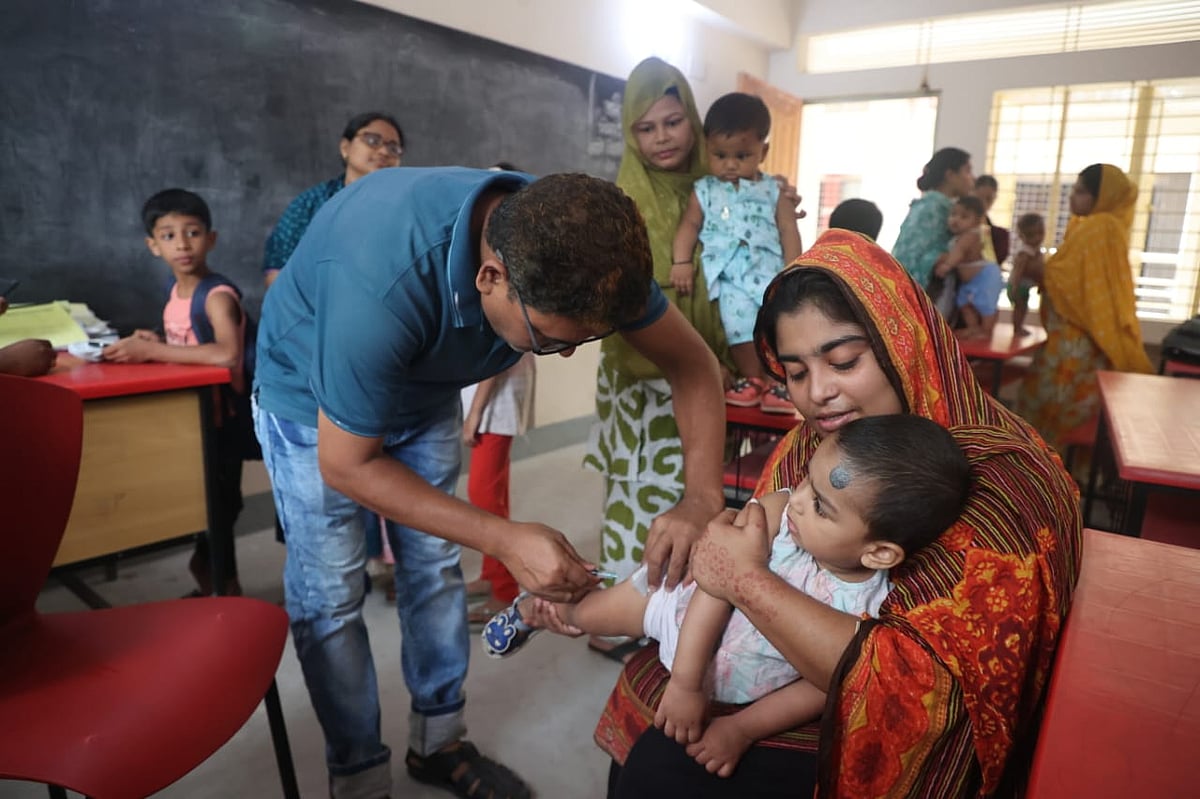
দেশি ও আন্তর্জাতিক বিশেষজ্ঞদের নিয়ে গঠিত একটি যৌথ স্বাধীন মূল্যায়ন দল বাংলাদেশের সম্প্রসারিত টিকাদান কর্মসূচি ও টিকায় প্রতিরোধযোগ্য রোগের নজরদারি ব্যবস্থা পর্যালোচনা করে এই ঝুঁকির কথা বলেছে। ওই মূল্যায়নে বলা হয়েছে, বাংলাদেশের কোনো জাতীয় টিকানীতি নেই। ২০১৩ সালে একটি খসড়া নীতি তৈরি করা হলেও তা অনুমোদিত হয়নি।শিশুকে টিকা দিচ্ছেন একজন স্বাস্থ্যসেবাকর্মী
বিশেষজ্ঞরা নয়টি দলে বিভক্ত হয়ে কাজ করেছেন। একটি দল ছিল কেন্দ্রীয়, বাকি আটটি দল কাজ করেছে দেশের আট বিভাগে।
বাংলাদেশ টিকা দেওয়ার ক্ষেত্রে যে বৈশ্বিক স্বীকৃতি ও পুরস্কার পেয়েছে, মূল্যায়নে তার উল্লেখ আছে। যৌথ স্বাধীন মূল্যায়ন দল কার্যক্রম নিষিদ্ধ আওয়ামী লীগ সরকারের সময়, অন্তর্বর্তী সরকারের আমলে এবং বর্তমান বিএনপি সরকারের সময় টিকা কর্মসূচি কীভাবে চলেছে বা চলছে, তা–ও মূল্যায়নে তুলে ধরেছে। আগামী মাসের মাঝামাঝি তারা লিখিত প্রতিবেদন স্বাস্থ্য মন্ত্রণালয়ে দেবে এবং তাদের মতামত নেবে।
দুর্বল স্থানীয় পরিকল্পনার কারণে প্রতিবছর টিকা পাওয়ার উপযুক্ত শিশুদের ১৫ থেকে ২০ শতাংশের টিকাদানে ঘাটতি থেকে যাচ্ছে। বিশেষজ্ঞ দল টিকার কোল্ড চেইনে সমস্যা দেখেছে। তাঁরা কোনো কোনো স্থানে টিটেনাস-ডিফথেরিয়ার (টিডি) টিকা জমাট বাঁধা অবস্থায় পেয়েছেন। কোথাও টিকার ব্যবহারযোগ্যতার বিচারে দ্বিতীয় স্তরে পাওয়া গেছে। তাঁরা আরও দেখেছেন, টিকা বিতরণের সময় তাপমাত্রা ঠিকভাবে পর্যবেক্ষণ করা হয় না, কোল্ড চেইন রক্ষণাবেক্ষণ ও টিকা সংরক্ষণ ব্যবস্থায় অসংগতি আছে।
মূল্যায়নে বলা হয়েছে, ইপিআইয়ে জনবলসংকট প্রকট। ইপিআইয়ের জনবলকাঠামো ১৯৮৫ সালের প্রয়োজন অনুযায়ী নির্ধারিত। এর মধ্যে জনসংখ্যা বেড়েছে, পাশাপাশি অন্যান্য জটিলতাও বেড়েছে। কিন্তু সেই পরিস্থিতি অনুযায়ী জনবলকাঠামো সমন্বয় করা হয়নি। ইপিআইয়ের বিভিন্ন পর্যায়ে অনুমোদিত পদের ৩০ থেকে ৪০ শতাংশ শূন্য। স্বাস্থ্য সহকারী, পরিদর্শক, ডেটা কর্মী, মেডিক্যাল টেকনোলজিস্ট, স্টোরকিপার, কোল্ড–চেইন টেকনিশিয়ান, পোর্টারসহ বিভিন্ন পদে জনবলসংকট আছে। জনবলসংকটে টিকাদানের স্থানীয় পরিকল্পনা, বাদ পড়া শিশুদের খুঁজে বের করা, টিকা সংরক্ষণ ও তদারকির মতো গুরুত্বপূর্ণ কাজ ব্যাহত হচ্ছে।
দুর্বল স্থানীয় পরিকল্পনার কারণে প্রতিবছর টিকা পাওয়ার উপযুক্ত শিশুদের ১৫ থেকে ২০ শতাংশের টিকাদানে ঘাটতি থেকে যাচ্ছে। বিশেষজ্ঞ দল টিকার কোল্ড চেইনে সমস্যা দেখেছে। তাঁরা কোনো কোনো স্থানে টিটেনাস-ডিফথেরিয়ার (টিডি) টিকা জমাট বাঁধা অবস্থায় পেয়েছেন। কোথাও টিকার ব্যবহারযোগ্যতার বিচারে দ্বিতীয় স্তরে পাওয়া গেছে। তাঁরা আরও দেখেছেন, টিকা বিতরণের সময় তাপমাত্রা ঠিকভাবে পর্যবেক্ষণ করা হয় না, কোল্ড চেইন রক্ষণাবেক্ষণ ও টিকা সংরক্ষণ ব্যবস্থায় অসংগতি আছে।
মূল্যায়নে দেখা গেছে, কোনো প্রাদুর্ভাব মোকাবিলায় ইপিআইয়ের প্রস্তুতি ও প্রাদুর্ভাবে সাড়া দেওয়ার সক্ষমতা কাঙ্ক্ষিত মাত্রার চেয়ে কম।
যৌথ স্বাধীন মূল্যায়ন দল কার্যক্রম নিষিদ্ধ আওয়ামী লীগ সরকারের সময়, অন্তর্বর্তী সরকারের আমলে এবং বর্তমান বিএনপি সরকারের সময় টিকা কর্মসূচি কীভাবে চলেছে বা চলছে, তা–ও মূল্যায়নে তুলে ধরেছে। আগামী মাসের মাঝামাঝি তারা লিখিত প্রতিবেদন স্বাস্থ্য মন্ত্রণালয়ে দেবে এবং তাদের মতামত নেবে।
বিসিজি, পেন্টা ৩ ও হাম–রুবেলার টিকা পাওয়া শিশুদের পূর্ণ সুরক্ষিত (ফুল্লি ইমিউনাইজড চিলড্রেন) হিসেবে ধরা হয়। মূল্যায়নে দেখা গেছে, বাংলাদেশে পূর্ণ সুরক্ষিত শিশুর হার কমছে। ২০১৬ সালে পূর্ণ সুরক্ষিত শিশু ছিল ৮২.৩ শতাংশ। ২০১৯ সালে তা বেড়ে হয় ৮৩.৯ শতাংশ। কিন্তু ২০২৩ সালে সেই হার কমে হয় ৮১.৬ শতাংশ। সুরক্ষা পেতে হলে ৯৫ শতাংশ শিশুকে টিকার আওতায় আনতে হবে। সেটাই বাংলাদেশের লক্ষ্যমাত্রা।
বিশেষজ্ঞ দল হিসাব করে দেখেছে, ২০০০ থেকে ২০২৫ সালের মধ্যে হাম–রুবেলার টিকা থেকে ৮ লাখ ৪৯ হাজার ৬১৯ শিশু বাদ পড়েছে। এতে হাম–রুবেলার সুরক্ষায় বড় ধরনের শূন্যতা (ইমিউনাইজেশন গ্যাপ) তৈরি হয়েছে। একই রকম শূন্যতা তৈরি হয়েছে হুপিং কাশি ও ডিফথেরিয়ার ক্ষেত্রে।
সব শিশুকে টিকা দিতে না পারার ব্যর্থতা থেকে ২০২৬ সালে হামের প্রাদুর্ভাব ঘটেছে। হামের প্রাদুর্ভাব একটি পরীক্ষা। যদি জরুরি পদক্ষেপ না নেওয়া হয়, তাহলে হুপিং কাশি ও ডিফথেরিয়ার প্রাদুর্ভাব দেখা দেওয়া সময়ের ব্যাপার মাত্র। সে জন্য যৌথ স্বাধীন মূল্যায়ন দল কিছু সুপারিশ করেছে।
যৌথ স্বাধীন মূল্যায়ন দল ছয় মাসের মধ্যে কিছু কাজ করতে বলেছে। এর মধ্যে আছে জরুরি ভিত্তিতে টিকাদানের স্থানীয় পরিকল্পনা পরিবর্তন করতে হবে। এই পরিকল্পনা হতে হবে ওয়ার্ডভিত্তিক, যেন কোনো শিশু বাদ না পড়ে। জরুরিভাবে শূন্য পদে জনবল নিয়োগ দিতে হবে। শিশুদের নিয়মিত টিকাদানের বয়সসীমা বাড়িয়ে পাঁচ বছর করতে হবে।
মধ্য মেয়াদে বা ৬ থেকে ২৪ মাসের মধ্যে কিছু কাজ করতে বলেছে বিশেষজ্ঞ দল। এর মধ্যে আছে আঞ্চলিক ও বৈশ্বিক কৌশলপত্রের সঙ্গে সামঞ্জস্য রেখে ২০২৭ সালের জুলাইয়ের মধ্যে জাতীয় টিকা কৌশলপত্র হালনাগাদ ও সম্প্রসারণ, জেলা পর্যায়ে ও জেলার নিচের এলাকা সমন্বয় ও জবাবদিহি ব্যবস্থা গড়ে তোলা, শহরাঞ্চলে টিকাদানের জবাবদিহি ব্যবস্থা গড়ে তোলা, শিশুর স্কুলে ঢোকার আগে সে টিকা পাওয়া কি না, তা জানার ব্যবস্থা চালু করা, প্রাথমিক স্বাস্থ্য সেবার বর্তমান সংস্কারের সঙ্গে সঙ্গতি রেখে ইপিআয়ের জনবল কাঠাতো তৈরি করা, ইপিআইয়ের সব কর্মকাণ্ডকে একটি উন্নয়ন প্রকল্প প্রস্তাবের (ডিপিপি) মধ্যে আনা, সব স্তরের কর্মকর্তা–কর্মীদের সক্ষমতা বৃদ্ধি করা।
হামের প্রাদুর্ভাব একটি পরীক্ষা। যদি জরুরি পদক্ষেপ না নেওয়া হয়, তাহলে হুপিং কাশি ও ডিফথেরিয়ার প্রাদুর্ভাব দেখা দেওয়া সময়ের ব্যাপার মাত্র। সে জন্য যৌথ স্বাধীন মূল্যায়ন দল কিছু সুপারিশ করেছে।
হাম-রুবেলা ও পোলিও পরীক্ষাগার সম্প্রসারণের প্রয়োজন পর্যালোচনারও সুপারিশ করা হয়েছে। তারা বলেছে, পরীক্ষার ব্যবস্থা শুধু জাতীয় পর্যায়ে থাকলে চলবে না। তারা নজরদারি ব্যবস্থা জোরদার করার জন্য পৃথক স্বাস্থ্যকর্মী দল গঠনের প্রস্তাব করেছে।
স্বাস্থ্য অধিদপ্তরের মহাপরিচালক অধ্যাপক প্রভাত চন্দ্র বিশ্বাস খোলা স্থানে, সূর্যের আলো বেশি বা তাপমাত্রা বেশি, এমন স্থানে আর টিকাকেন্দ্র রাখা হবে না। এ ছাড়া টিকার সরবরাহ নিশ্চিত করতে “বাফার স্টক” গড়ে তোলার আলাদা পরিকল্পনা করা হচ্ছে।’স্বাস্থ্য অধিদপ্তরের মহাপরিচালক অধ্যাপক প্রভাত চন্দ্র বিশ্বাস প্রথম আলোকে বলেন, ‘যৌথ স্বাধীন মূল্যায়ন দলের প্রতিবেদন আনুষ্ঠানিকভাবে পাইনি। প্রতিবেদন নিয়ে আমরা জনস্বাস্থ্যবিদ ও নাইট্যাগের সঙ্গে বসব। ইতিমধ্যে শূন্য পদে নিয়োগপ্রক্রিয়া শুরু করেছি। আমরা টিকাদানকারীদের প্রশিক্ষণের ব্যবস্থা করব। খোলা স্থানে, সূর্যের আলো বেশি বা তাপমাত্রা বেশি, এমন স্থানে আর টিকাকেন্দ্র রাখা হবে না। এ ছাড়া টিকার সরবরাহ নিশ্চিত করতে “বাফার স্টক” গড়ে তোলার আলাদা পরিকল্পনা করা হচ্ছে।’
· Free Press Journal
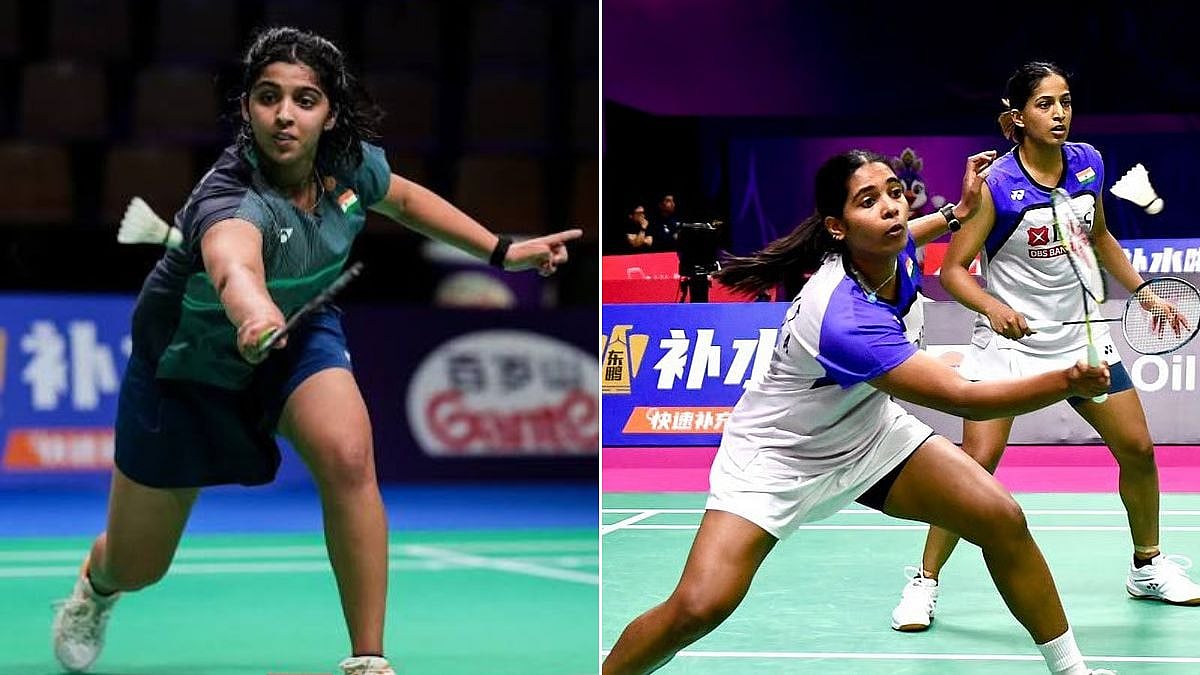
Odense: Indian shuttlers’ campaign at the Denmark Open 2026 ended in the quarter-finals, with Treesa Jolly-Gayatri Gopichand and Tanvi Sharma suffering defeats in women’s doubles and women’s singles on Friday, respectively.
Also Watch:
Visit hilogame.news for more information.
Tanvi, the last Indian shuttler remaining in the tournament, went down 21-15, 21-13 to world No. 1 and top seed An Se-young of the Republic of Korea in a match that lasted 38 minutes.
VICTOR Denmark Open 2026
— BWFScore (@BWFScore) October 16, 2026
WS - QF
21 21 AN Se Young
15 13 Tanvi SHARMA
in 38 minutes
Earlier, the women’s doubles pair of Treesa and Gayatri lost 14-21, 21-17, 21-11 to Malaysian pair of Pearly Tan and Thinaah Muralitharan. Ranked 18th in the world, Treesa-Gayatri made a strong start and held an 11-7 lead at the first interval before comfortably taking the opening game, according to Olympics.com.
VICTOR Denmark Open 2026
— BWFScore (@BWFScore) October 16, 2026
WD - QF
TAN Pearly
14 21 21 THINAAH Muralitharan
Treesa JOLLY
21 17 11 GAYATRI GOPICHAND PULLELA
in 56 minutes
The Malaysians, currently ranked fifth, initially trailed in the second game as well, with the Indian pair establishing a 14-11 advantage. However, Pearly and Thinaah fought back to level the match. The Malaysians dominated the decider, denying the Indian pair a chance to stage an upset.
The Malaysian duo had also knocked the Indian pair out in the quarter-finals of the Asian Games 2026 in Japan earlier this month.
'Strong, Solid Comeback Next Year': Neeraj Chopra Opens Up On Ankle Injury, Targets 2027 Return As Focus Shifts To 2028 Olympics | VideoMeanwhile, world No. 24 Tanvi began promisingly in her first meeting with reigning world and Olympic champion An Se-young but was unable to maintain the momentum as the Korean secured a straight-games victory.
Several of India’s leading shuttlers, including PV Sindhu, Unnati Hooda, Satwiksairaj Rankireddy-Chirag Shetty, Lakshya Sen and Ayush Shetty, had exited the BWF Super 750 tournament in the opening round.
Kidambi Srikanth progressed to the second round of men’s singles before losing to reigning world champion Alex Lanier of France.
Indian shuttlers will next compete at the French Open, scheduled to be held from October 20 to 25.
(Except for the headline, this article has not been edited by FPJ's editorial team and is auto-generated from an agency feed.)